

Youth opinion: what sources of information on coronavirus are effective
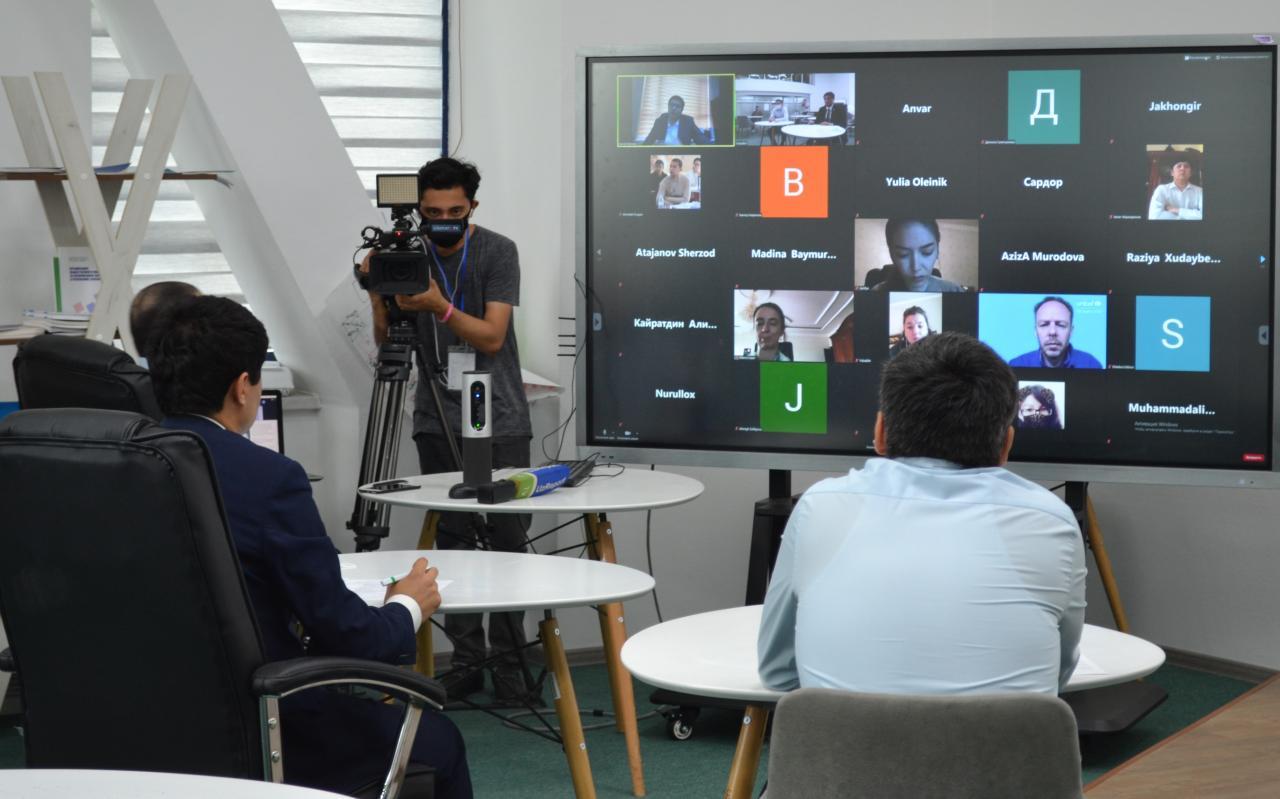
The Nationwide movement "Yuksalish", together with partners of the U-report project, the Legislative chamber of the Oliy Majlis of the Republic of Uzbekistan, UN agencies, with the participation of media and youth from all regions of the country, held an online “round table” dedicated to discussing the results of the U-report survey and developing further joint efforts to inform young people about issues related to coronavirus.
In April of this year, a survey was conducted among young people on access to information about COVID-19 in the country and on the effectiveness of its distribution channels via the U-report online platform. About 11,500 people from all regions of the Republic took part in the survey.
The results of the research were discussed during the online meeting "Youth Opinion: What sources of information on coronavirus are effective?" with the participation of the state and public stakeholder organizations, representatives of international organizations, youth, media and bloggers.
The video conference was attended by the UN resident coordinator in Uzbekistan Mrs. Helena Fraser, head of the UNICEF representative office in our country Mr. Sasha Graumann, Deputy of the Legislative chamber of the Oliy Majlis, Chairman of the Nationwide movement “Yuksalish” Mr. Akmal Burkhanov, Chairman of the Youth Union of Uzbekistan Mr. Alisher Sadullayev and others.
Project Manager of the U-report Ms. Zhamilya Nurzhanova (UNICEF) presented the results of the survey. In particular, it was noted that, according to the survey, the main source of information about COVID-19 for young people is Internet: 72% of respondents said that they used messengers, social networks and Internet publications to be aware. The remaining part prefer television to the Internet (24%).
48% of the survey participants trust the official information of the Ministry of Health and other government agencies. Telegram channels (15%) and international organizations (12%) are also in the top three sources. However, more than half (51%) of U-reporters shared that when getting information about coronavirus, they would mostly trust doctors and medical personnel, and 34% - to representatives of state agencies.
The majority of respondents (91%) mostly trust the information they receive about coronavirus: almost half of the respondents (49%) confidently chose the answer "Yes", 42% consider it mostly reliable, and only 6% of the survey participants do not trust the information they receive about COVID-19. In addition, 79% of respondents rate the information received about coronavirus as "very clear".
One in four respondents said they knew all about the new virus. At the same time, there are also those who would like to learn more about the myths about the virus (17%), what to do if a virus is suspected (16%), and about protection measures (12%).
As part of the survey, youth representatives were able to test their knowledge about COVID-19 and dispel many myths about the virus by studying data from the World Health Organization online platforms.
According to the results of the videoconference, the conclusions of specialists from different structures, the opinions of experts and young people were summarized. The results will be used to improve the effectiveness of information and communication activities, including informing young people about COVID-19.
Press service of the Nationwide movement “Yuksalish”